
New employee orientation
1983, 1995, 2005

I worked for a few giant tech companies and some tiny ones. The big companies always had some sort of official new employee orientation; the small ones were usually more like “You’re here, get to work, you’ll figure it out.” Bigco orientation always includes stuff like how to access health insurance1, getting your badge, why our company is super awesome, and important company policies, if any. Nowadays I think it’s usually called onboarding or boot camp or maybe there’s even newer and more clever terminology. Here’s what I experienced back in my day.
Google
I started at Google in 2005, when I learned that new employees are called Nooglers2. Orientation lasted an entire week. One of the first orientation tasks was posing for a photo and getting your employee badge. Also vitally important was getting a laptop and figuring out how to get access to the corporate network. There was a big welcome and pep talk for that week’s entire group of Nooglers.
The rest of the week was filled with talks that introduced us to Google’s technology. The classic lecture was called “Life of a Query” and described in detail what happens, step by step, when somebody does a Google search. That was pretty cool. They also explained how the free food and free t-shirts worked. That was important.
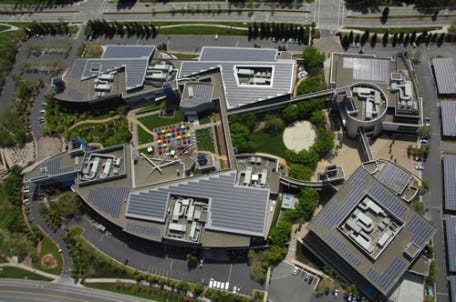
One thing nobody told me at orientation was exactly how employee parking worked. It took me until my fourth day at work to discover that there was a parking garage under the main campus buildings. Maybe it was an intelligence test. I wonder if I passed.
At the end of the week was my first TGIF, a massive weekly all-company meeting where the founders held court, talking about cool new projects and taking questions from anybody. The first trick of TGIF was finding it. The location had recently been changed, and the info on the internal web listed the old place. This caused me stress until I figured out where to go. So, yes, two of the negative things that happened during my first week at Google, the search company, involved problems searching for things (parking and a meeting).
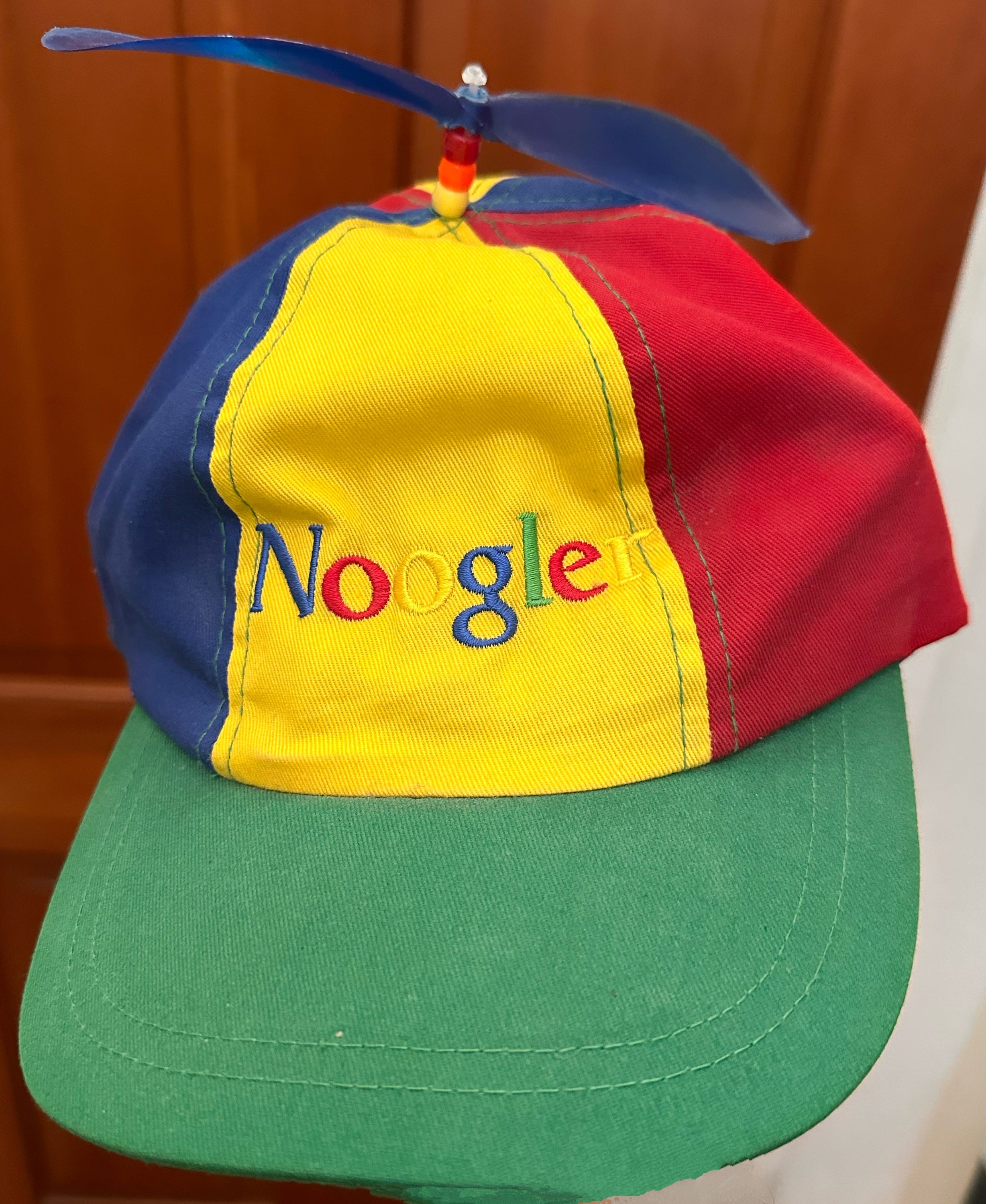
I needed to be there because at your first TGIF, you have to wear your silly Noogler propeller beanie and a sign that gives your name and previous experience. At a key point during TGIF, Google co-founder Sergey Brin would display a slide listing the names of all of that week’s Nooglers, ask us to stand up, and then say “Now get back to work.” Good joke. Everybody laugh.
Microsoft
My Microsoft new employee orientation experience is memorable because I didn’t have one. Our Mac-focused group in San Jose was intentionally kept separate from the rest of the company in Redmond. So when I started at Microsoft and got an email saying I needed to go to Redmond for orientation, I told my boss, who said “Oh yeah, don’t worry about that. I’ll take care of it.” That was the last I heard of Microsoft orientation.
Apple
Before I worked at those other companies, I showed up in Cupertino at age 23 for my first real new employee orientation. Of course I already knew plenty about Apple. I loved Apple! The orientation folks filled us with fervor and zeal for the company, but many of us were already there.
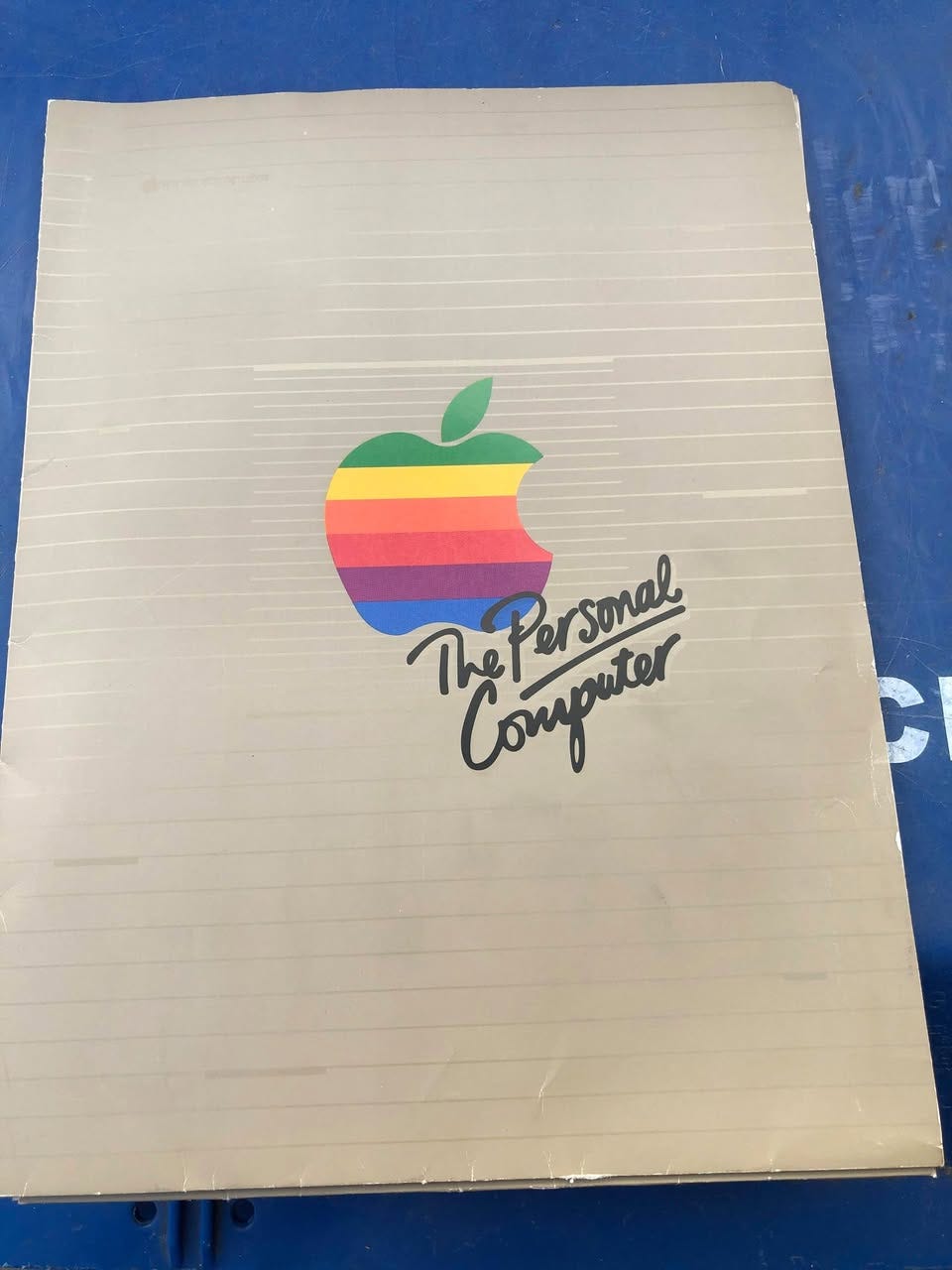
They gave us this excellent folder with the famous Apple logo and current marketing tagline, The Personal Computer. This folder contained various documents including a page about benefits, maps of Apple locations, and a schedule of classes held by Apple to teach employees and family members how to use its technology. But yeah, the folder was the cool thing.


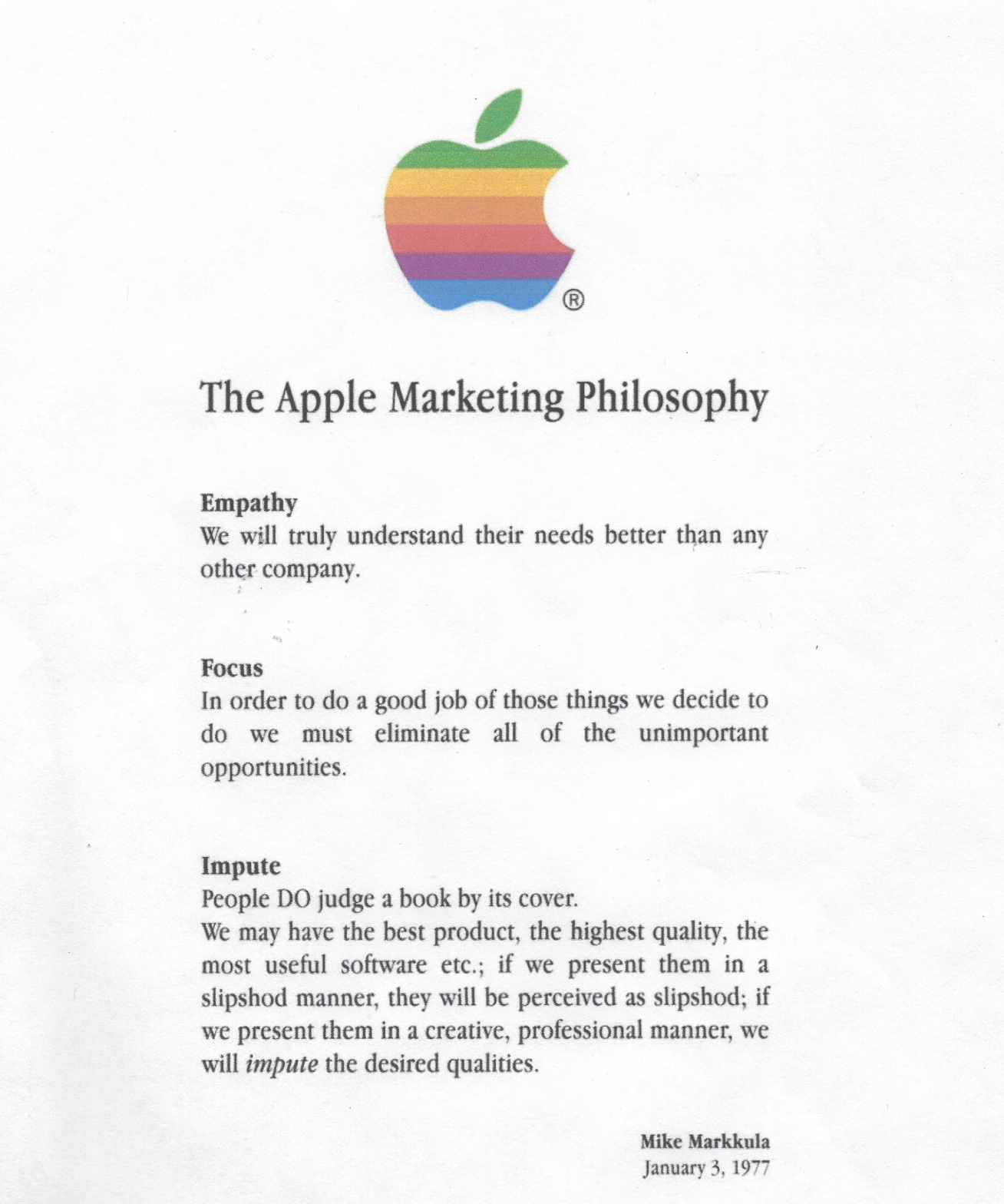
The Apple orientation folks introduced us to a vital document called Apple Values. The first Apple Value was “One person, one computer,” a revolutionary belief in 1983 that made a big impression on me, because back then it was usually many people sharing a big computer. (Nowadays it sounds like a limitation. Imagine having only one computer!) They also gave us a document called “The Apple Marketing Philosophy”:
After the get-excited part, the orientation crew explained stock options, which I didn’t understand but seemed promising, and health insurance, which I didn’t understand but my wife told me was important. After lunch, they gave classes on how to use an Apple II. They said I could skip that since I already knew, as I had owned one for a few years.
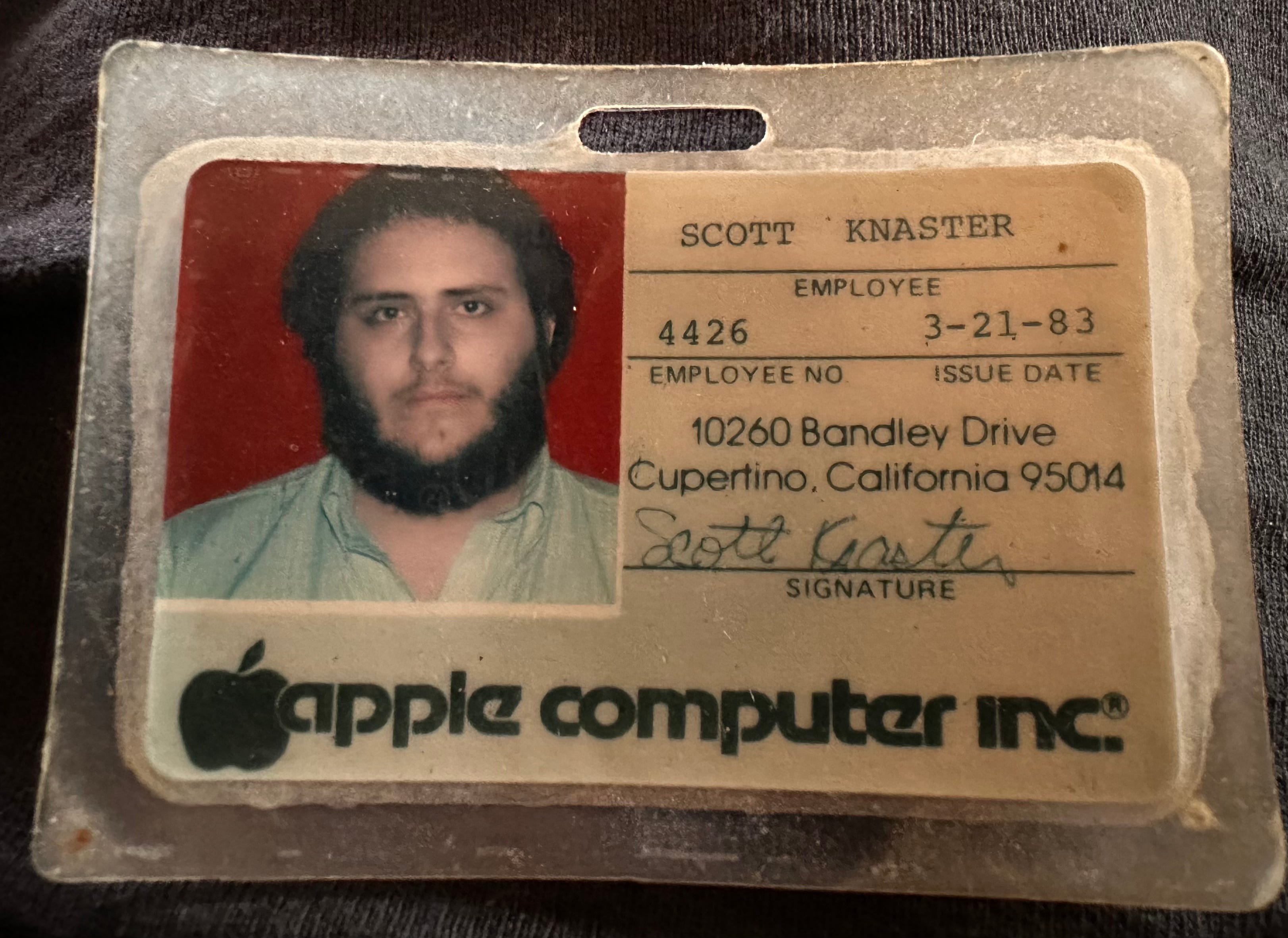
Later in my first week, I got my employee badge. Never mind that I forgot to smile for my badge photo. At last I was a real employee.
.
Dear non-U.S. readers: that’s how we do it here. We have health coverage via insurance, which many people get through their employers. It’s not an awesome system, because if you quit or lose your job, you have to figure out how you’re going to pay future medical expenses. Maybe we’ll fix this someday.
This is a whole thing. Older employees are Greyglers, the LGBTQ+ employees group is Gayglers, Jewish employees are Jewglers, and so on. Membership in all these groups is optional and open to anyone, so they include allies as well. Also, dogs that people bring to work are called Dooglers. This is all true.
No Burning Man?!
Wait a minute. I never got a 'loan to own' computer from Apple. Apple owes me an Apple // system (or, for a small premium, an Apple /// system)! Maybe I didn't qualify because I didn't learn how to use Apple Writer and Apple Plot. Darn you, Paul Lutus!